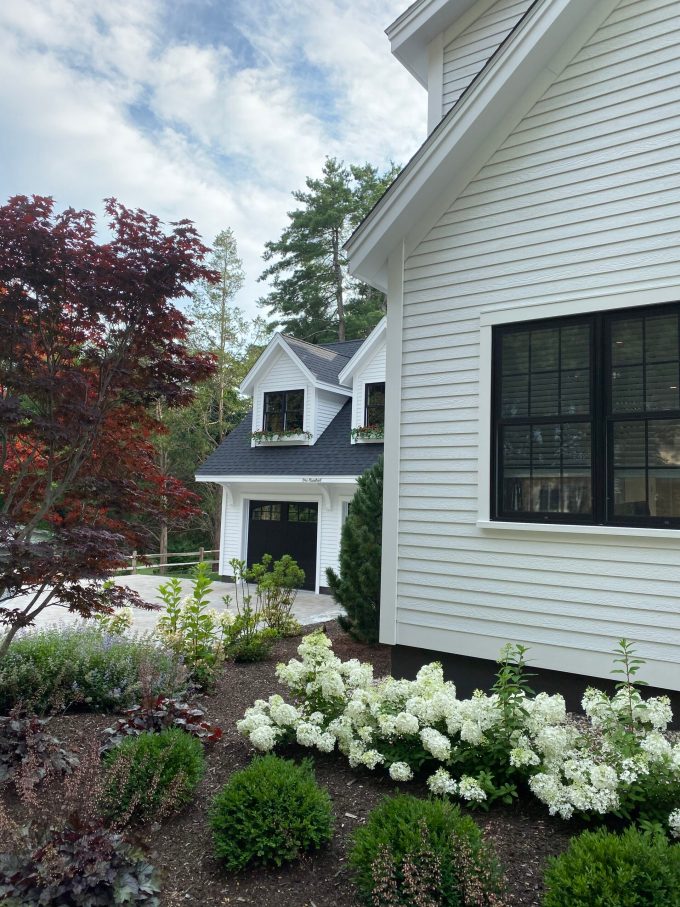
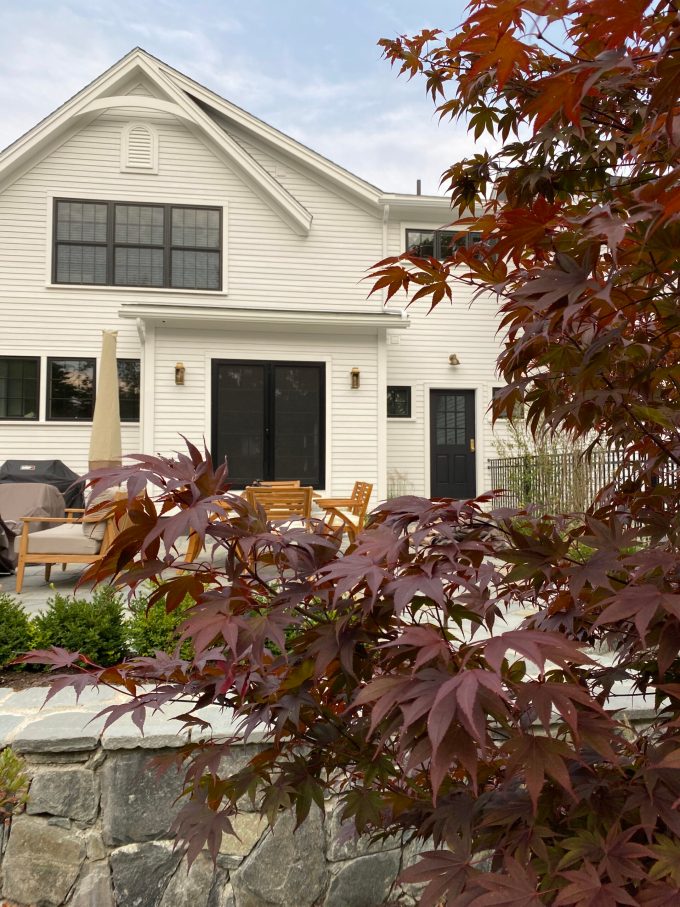
Do you love black windows? Well, if you do, I am right along with you. Black-framed windows have become a popular choice for homeowners and designers alike. They’re bold, classic, and surprisingly rooted in architectural history.
Let’s break down why black windows are more than just a trend, how they affect design decisions like trim color and grill patterns, and what to know before you invest.
Why Choose Black Windows?
Black windows create a clean, crisp contrast that works across many architectural styles from traditional colonials to modern farmhouse designs. While they may feel modern, black windows are actually a nod to historic architecture. In fact, 18th- and 19th-century homes often featured black-painted window frames paired with white interior sashes.
Want to recreate that historic look? You’ll likely need to invest in a premium window line like Marvin Signature or Andersen A-Series, both of which offer the craftsmanship and detailing needed to match historic specs.
Budget-Friendly Black Window Options
If high-end brands aren’t in your budget, don’t worry. Black window frames are now offered by most major manufacturers and typically cost only about 10% more than white-framed windows. Many of my clients agree—it’s money well spent for the visual impact.
Some reliable and cost-effective options include:
-
Matthews Brothers (Maine-based)
Always read the performance ratings and warranty details before choosing a window brand, especially if you’re building in a coastal or high-wind region.
Choosing Grilles (aka Lites) for Your Black Windows
Grille patterns can dramatically change the appearance of your windows, especially with black frames. I work closely with clients to model different grille styles using CAD software so you can visualize exactly how they’ll look.
Common grille configurations:
-
6/6: Traditional double-hung style with six panes on top and bottom
-
4/1: A modern twist—four panes on the top sash, one open pane below
-
2/1: A historically accurate pattern for New England-style homes
You can also use grilles in casement or awning windows, and by adjusting the check rail thickness, we can make casements resemble double-hung windows—ideal for meeting egress requirements while preserving a historic aesthetic.
Trim Color Considerations with Black Windows
Choosing the right window trim color is just as important as the windows themselves. Here’s what I often recommend:
-
White trim with black windows: Best for homes with light-colored siding, offering a classic and crisp contrast.
-
Dark trim with black windows: Works beautifully with natural wood siding or darker exteriors, creating a more cohesive look.
-
Black trim with black windows: Bold and dramatic, but can feel heavy. Use with caution unless the home’s palette and scale support it.
When in doubt, test your trim color in natural light and against your siding color. It’s worth the extra effort to get the blend just right.
Are Black Windows a Trend?
While they’ve surged in popularity over the last decade, black windows are far from a passing trend. These windows date back to the 16th and 17th centuries and remain a staple in both historic restorations and modern builds. Their ability to blend old and new makes them incredibly versatile—and timeless.
Whether you’re designing a new home or replacing existing windows, black-framed windows offer a striking blend of historic charm and modern appeal. They elevate curb appeal, frame views beautifully, and add a tailored finish to your exterior and interior spaces.
Want help deciding which black window style, trim, or grille configuration is right for your home? Contact Amy Dutton Home to get started on a design that fits your style—and your home’s story.